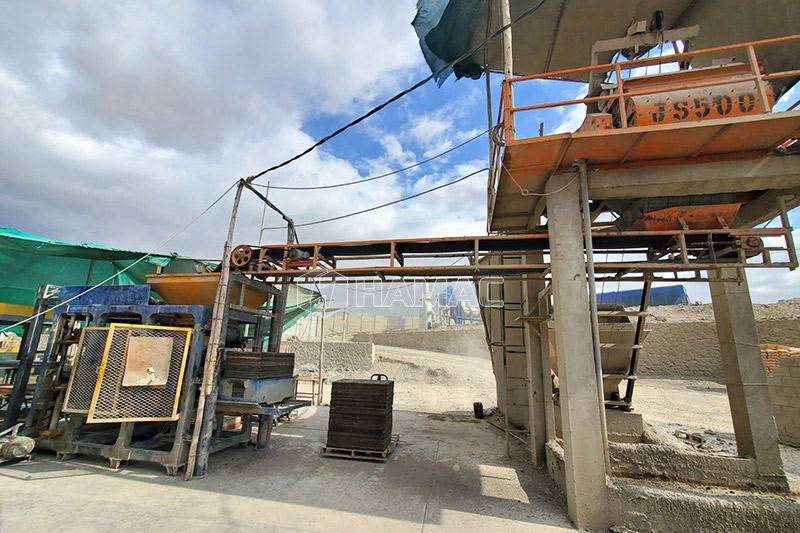
How much is the 1000T/H crusher?
Engineering, manufacturing and after-sales support for How much is the 1000T/H crusher? — specification, layout and quotation on.
View details
The first point is soil quality. If the sand and soil we need to excavate are too rigid, then plastic or wood buckets cannot easily excavate sand and soil.
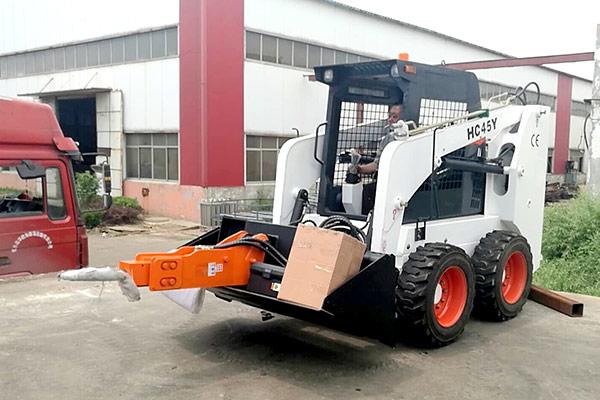
The first point is soil quality. If the sand and soil we need to excavate are too rigid, then plastic or wood buckets cannot easily excavate sand and soil. Therefore, when using this kind of parts, you must choose the material based on the strength of the soil, sand, plastic, and if it is heavy loess, only metal can be reliable. The second point is the capacity of the bucket. Different sizes of buckets have different capacities, and different bucket capacities can produce different work efficiency for sand engineering. Therefore, for small projects, we can use a bucket with a small bucket capacity. If it is a large-scale sand excavation project, then a large-capacity bucket is needed. In general, when using a bucket, we have to consider the soil quality of the sand and the work efficiency required by the project.
Choosing a When choosing and using a bucket, what aspects should we consider? is rarely decided by the price tag alone. Downtime, concrete quality consistency, fuel consumption per cubic metre and the availability of wear parts across a five-year operating window matter far more to the final cost per tonne or per cubic metre produced.
Tracked units run either from the mains or from their own diesel generator when the grid has not arrived yet.
Manganese jaw dies, blow bars, mantle and concave sets use common profiles and are stocked for ten years.
Conveyors and screens are sized roughly 15% above nominal so short-term peak demand does not stall the line.
| Parameter | Specification |
|---|---|
| Plant type | Stationary / modular skid / crawler tracked |
| Capacity range | 30 - 500 tonnes per hour |
| Max feed size | Up to 900 mm depending on primary crusher |
| Output fractions | 0-5, 5-10, 10-20, 20-31.5 mm or to specification |
| Crushing stages | Two-stage, three-stage or four-stage closed circuit |
Six defined stages, each with named deliverables, so nothing is left to interpretation.
We start with your mix design, hourly output target, aggregate size, jobsite power supply and site layout — not with a catalogue page.
Our engineering team issues a layout drawing, foundation loads, power requirement and an equipment list matched to the target output.
A fixed specification quotation with clear technical annexes protects both sides; no vague "standard configuration" wording.
Weekly production photos, welding and pressure test records, plus third-party inspection if your project requires it.
Container or break-bulk shipment, then on-site supervision of assembly, alignment, calibration and dry-run.
Remote diagnostics by video call, spare parts dispatch within 48 hours for stocked items, and periodic return visits.
Engineering, manufacturing and after-sales support for How much is the 1000T/H crusher? — specification, layout and quotation on.
View details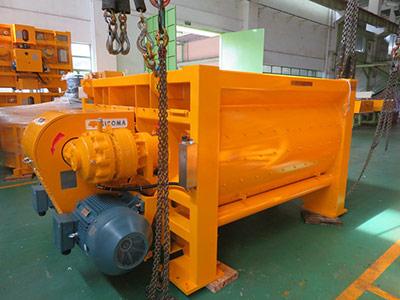
Engineering, manufacturing and after-sales support for How much is the mobile crusher? — specification, layout and quotation on.
View details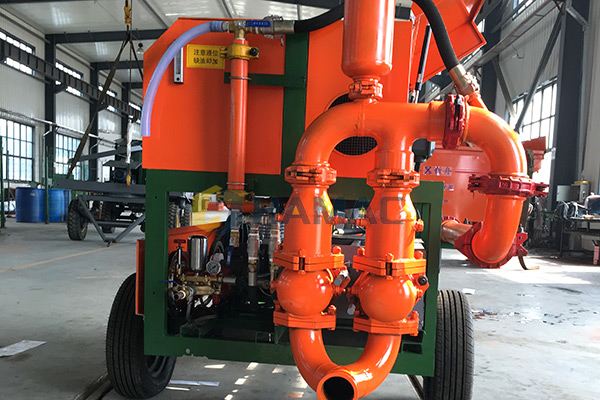
Engineering, manufacturing and after-sales support for Cone crusher working principle — specification, layout and quotation on.
View details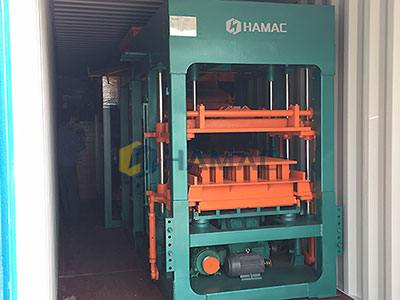
Engineering, manufacturing and after-sales support for What is a cone crusher machine? — specification, layout and quotation on.
View details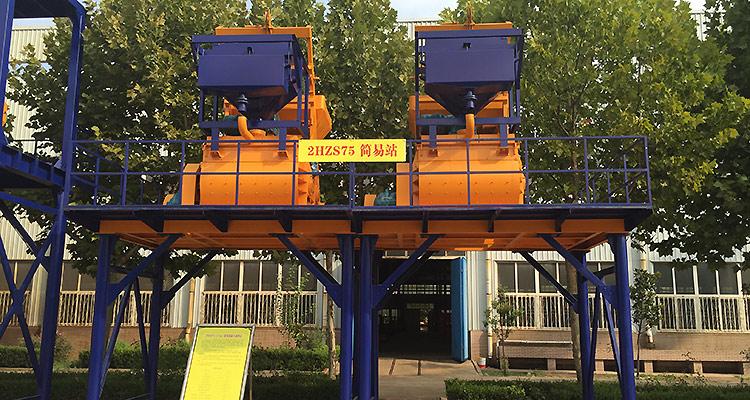
Engineering, manufacturing and after-sales support for What oil should be used for cone crusher? Gear oil or hydraulic oil? —.
View details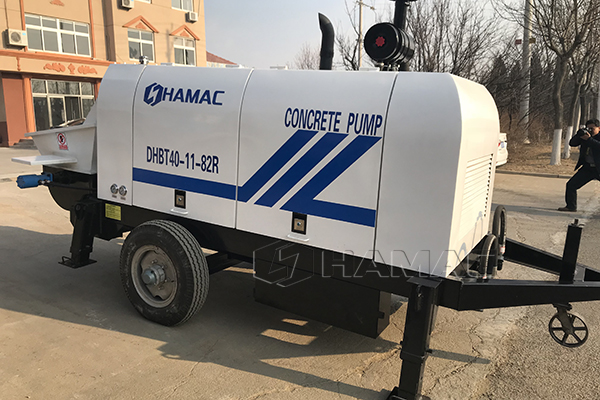
Engineering, manufacturing and after-sales support for Granite sand making machine — specification, layout and quotation on.
View detailsTell us the required output, material characteristics, site power supply and destination port. Our engineers return a complete technical and commercial proposal, normally within one working day.
Email: [email protected]
WhatsApp: +8619138100129
Twenty years of export experience across eighty countries. One engineer follows your project from enquiry to commissioning.
Fast reply from our sales engineers, Mon - Sat.
Ask for a quotation, spec sheet or factory video.
Start WhatsApp ChatSpec drawings, quotations and project proposals.
We answer technical enquiries within one working day.
Write an Email