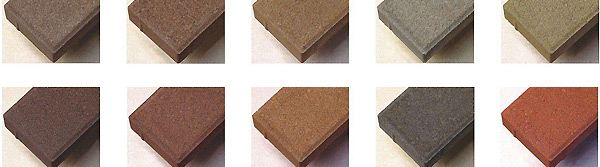
HM-150TB Hydraulic Paving Block Machine
Engineering, manufacturing and after-sales support for HM-150TB Hydraulic Paving Block Machine — specification, layout and.
View details
Hydraulic Block Making Machine is a Automatic concrete block making equipment. By changing the moulds, it can produce diverse kinds of concrete wall blocks.
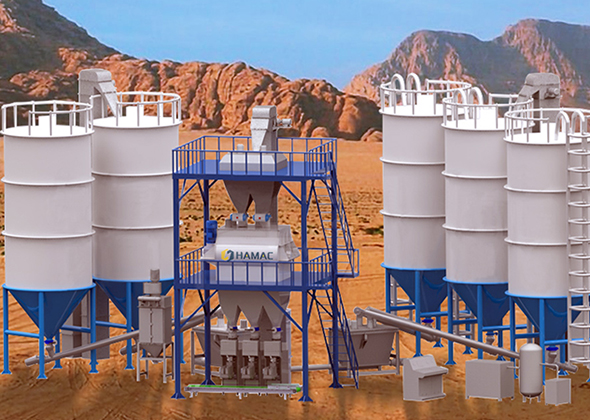
A Hydraulic Block Making Machine converts zero-slump concrete into saleable units in about 20 seconds: the mould fills, the press head descends while the table vibrates, the green product is demoulded onto a pallet and moves to curing. Everything after that is handling and logistics.
HAMAC builds both egg-layer machines — economical, no pallets, output onto the floor — and full stationary pallet plants with finger cars, elevators and curing racks for higher volume and better surface finish. Mixing is matched to the machine by either a planetary or a pan mixer.
Most enquiries we receive start after a fleet problem — a pump that loses pressure on long booms, a mixer whose drum liners wear prematurely, a batching plant whose weighing tolerance drifts. Each of those has an engineering answer, and that answer belongs in the design stage rather than in the warranty claim.
Frequency-controlled vibration plus hydraulic press head ensures uniform density across the whole pallet.
Stress-relieved welded frames resist the fatigue caused by continuous vibration.
Well-matched moulds and Servo vibration deliver fast demould without green-product damage.
A consumable and wear-parts package ships with every machine to cover the first production months.
Operators select the product and the machine sets vibration, fill time and press parameters automatically.
Moulds swap in roughly 20 minutes, allowing mixed product runs in one shift.
Indicative ranges for standard configurations. Final values are confirmed against your project requirements.
| Parameter | Specification |
|---|---|
| Model range | QT4-15, QT5-20, QT6-15, QT8-15, QT9-15, QT10-15 and larger |
| Cycle time | 15 - 25 seconds |
| Pallet size | 850 × 550 to 1400 × 900 mm |
| Vibration force | 35 - 120 kN, frequency adjustable |
| Installed power | 25 - 90 kW |
| Products per pallet | 4 - 12 hollow blocks (390×190×190 mm) |
| Control | PLC with touch screen and fault diagnostics |
| Feeding | Belt conveyor from planetary or pan mixer |
On typical projects this equipment is selected where output reliability governs the whole schedule.
Standard masonry units for load-bearing and partition walls
Pedestrian and light-traffic paving with colour-layer option
Industrial floors and hard-standing areas
Industrial by-product utilisation for green building credits
Road restraint and landscape edging units
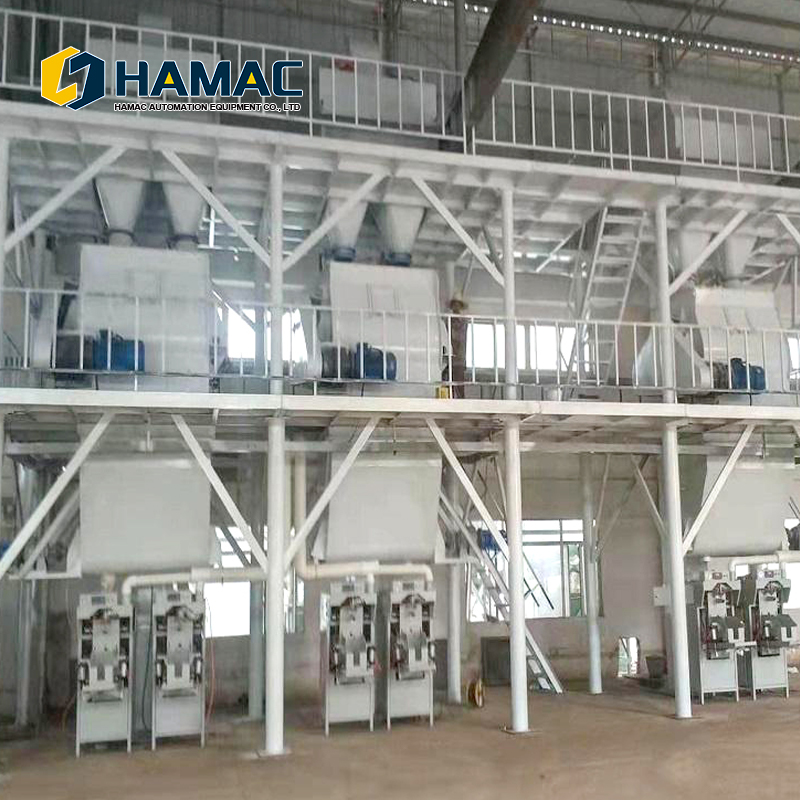
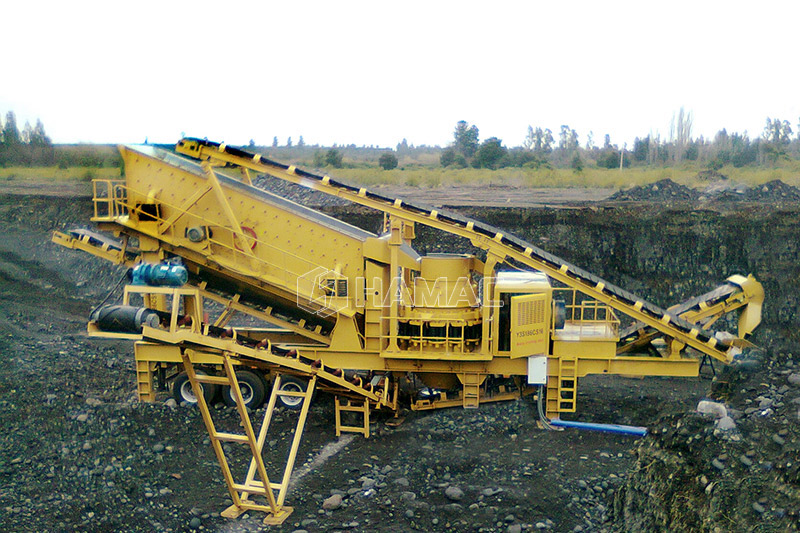
Six defined stages, each with named deliverables, so nothing is left to interpretation.
We start with your mix design, hourly output target, aggregate size, jobsite power supply and site layout — not with a catalogue page.
Our engineering team issues a layout drawing, foundation loads, power requirement and an equipment list matched to the target output.
A fixed specification quotation with clear technical annexes protects both sides; no vague "standard configuration" wording.
Weekly production photos, welding and pressure test records, plus third-party inspection if your project requires it.
Container or break-bulk shipment, then on-site supervision of assembly, alignment, calibration and dry-run.
Remote diagnostics by video call, spare parts dispatch within 48 hours for stocked items, and periodic return visits.
Engineering, manufacturing and after-sales support for HM-150TB Hydraulic Paving Block Machine — specification, layout and.
View details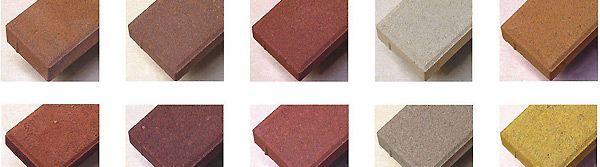
Engineering, manufacturing and after-sales support for HM-150T Paver Block Making Machine — specification, layout and quotation.
View details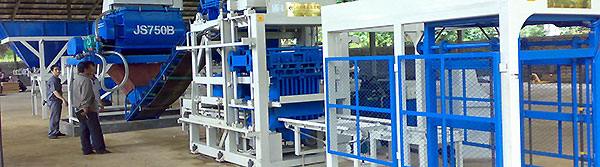
Engineering, manufacturing and after-sales support for QT9-15 Block Making Plant — specification, layout and quotation on request.
View details
Engineering, manufacturing and after-sales support for QT6-15 Automatic Block Making Plant — specification, layout and quotation.
View details
Engineering, manufacturing and after-sales support for Interlocking Brick Machine — specification, layout and quotation on.
View details
Engineering, manufacturing and after-sales support for Fly Ash Brick Making Machine — specification, layout and quotation on.
View detailsTell us the required output, material characteristics, site power supply and destination port. Our engineers return a complete technical and commercial proposal, normally within one working day.
Email: [email protected]
WhatsApp: +8619138100129
Twenty years of export experience across eighty countries. One engineer follows your project from enquiry to commissioning.
Fast reply from our sales engineers, Mon - Sat.
Ask for a quotation, spec sheet or factory video.
Start WhatsApp ChatSpec drawings, quotations and project proposals.
We answer technical enquiries within one working day.
Write an Email